

As wildfires continue to impact communities across Canada, they should serve as a powerful reminder that disasters don’t always look like cyberattacks or hardware failures. Sometimes they are environmental events that happen with little warning and create widespread disruption for employees, customers, suppliers, and critical infrastructure. According to the Canadian Interagency Forest Fire Centre (CIFFC), recent wildfire seasons have repeatedly stretched emergency response resources across multiple provinces, while Natural Resources Canada – Annual Report 2025 notes that climate change is contributing to longer and more severe wildfire seasons.
For IT leaders, these events highlight an important question:
If your team couldn’t access the office tomorrow, could your business continue operating?
Disaster Recovery Plans (DRPs) and Business Contingency Plans (BCPs) are often written to satisfy compliance requirements or insurance audits. Unfortunately, many organizations don’t revisit them until an actual emergency exposes the gaps. The reality is today’s business environment changes far more quickly than annual documentation updates can keep pace with.
The widespread Canadian wildfires are a timely reminder that every organization should review, test, and update its disaster recovery strategy at least once every year.
Disaster Recovery Isn’t Just About Technology
When many organizations think about disaster recovery, they immediately focus on backups, cloud infrastructure, and server redundancy.
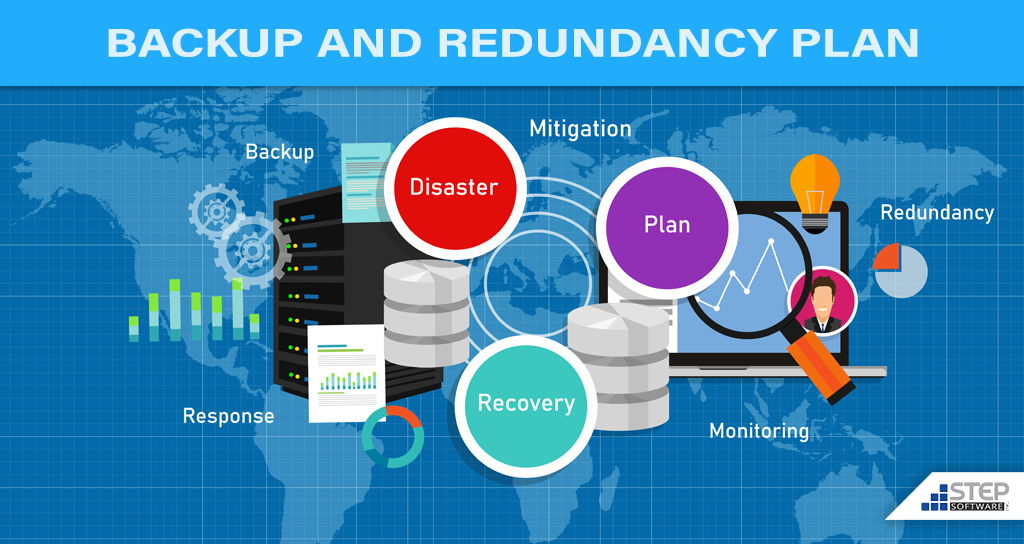
Those are certainly critical components, but they’re only part of the picture.
A comprehensive Disaster Recovery Plan should answer questions such as:
- What happens if your office becomes inaccessible?
- Can employees securely work remotely?
- What if key members of your IT team are personally affected by the disaster?
- Are critical vendors able to continue supporting your systems?
- How quickly can business-critical applications, including legacy systems, be restored?
- Who has decision-making authority if leadership is unavailable?
Natural disasters rarely affect only one component of an organization. They impact people, communications, transportation, utilities, supply chains, and customer expectations simultaneously.
The Government of Canada’s Public Safety Department recommends that business continuity planning address ‘all hazards,’ including natural disasters, utility outages, pandemics, and cyber incidents because these events can have cascading operational impacts.
Annual Reviews Matter More Than Ever
Technology changes rapidly. Your Disaster Recovery Plan should evolve just as quickly.
Over the course of a year your organization may have:
- Migrated systems to the cloud
- Implemented new SaaS platforms
- Changed cybersecurity tools
- Replaced networking infrastructure
- Overhauled a legacy system
- Implemented AI tools
- Added new remote workers or new technical staff
- Lost institutional knowledge through employee turnover
If your DRP still references retired servers, former employees, or outdated vendor contacts, it can’t be relied on during an emergency.
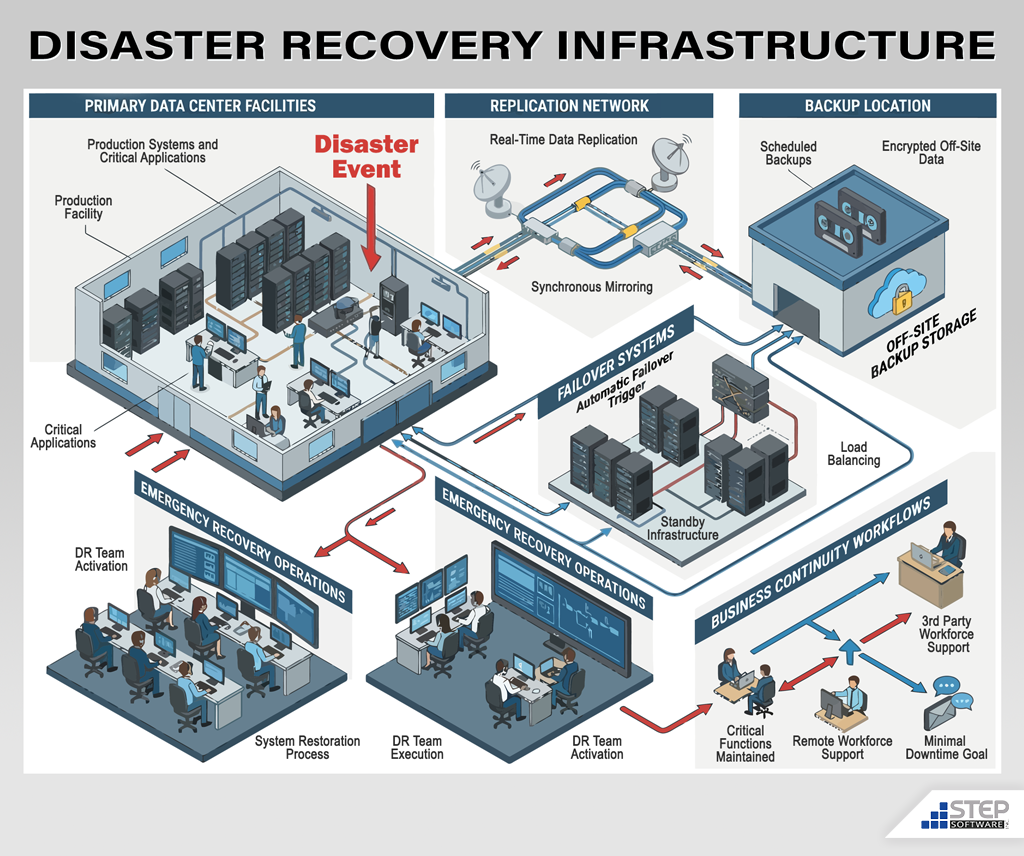
The National Institute of Standards and Technology (NIST) recommends organizations maintain, review, and regularly test contingency plans whenever significant technology or organizational changes occur.
Similarly, ISO 22301, the international standard for Business Continuity Management Systems, requires organizations to regularly exercise, evaluate, and continually improve their business continuity plans to ensure they remain effective as business conditions evolve.
A plan that has never been tested is just a theory.
The Human Side of Disaster Recovery
Natural disasters, like wildfires should remind us that technology doesn’t work without people.
The impact is real:
- Employees may be displaced from their homes.
- Internet connectivity may become unreliable.
- Schools may close unexpectedly.
- Staff may need time away to care for family members or evacuate affected areas.
Building resilience means recognizing that your people are your most valuable resource.
Research from Deloitte’s Global Resilience Report consistently shows that organizations with mature resilience programs place equal emphasis on people, operational processes, technology, and external partnerships when preparing for disruptions.
Cross-training staff, documenting critical systems, and ensuring multiple people understand key applications reduces reliance on individual employees during emergencies.
Good documentation becomes invaluable when your subject matter expert is displaced or simply isn’t available.
Third-Party Partners Should Be Part of Every DRP
One area that organizations frequently overlook is the role of trusted external partners.
Even the best internal IT teams have limits.
If multiple team members are unavailable during an emergency, projects don’t stop, production systems still require support, and customers continue expecting service.
This is where strategic third-party partners become an essential part of business continuity.
According to Gartner, organizations are increasingly adopting ecosystem resilience strategies that include trusted technology partners to improve operational continuity and reduce recovery times during business disruptions.
Rather than scrambling to locate emergency assistance during a crisis, organizations should establish relationships with experienced technology partners before they need them.
Trusted third-party vendors can provide:
- Emergency application support.
- Additional development resources.
- Legacy system expertise.
- Infrastructure troubleshooting.
- Production monitoring.
- Software maintenance.
- Documentation assistance.
- Quality assurance and testing.
- Knowledge transfer for critical systems.
Having these relationships already in place can dramatically reduce recovery time while easing pressure on internal teams. Think of your external technology partner as an extension of your own IT department; not just a vendor you call when things go wrong.
Where STEP Software Fits into Your Recovery Strategy
Business continuity isn’t only about recovering servers; it’s about ensuring your business can continue delivering value to customers.
Here at STEP, we’ve spent more than 20 years helping organizations support, maintain, modernize, and extend business-critical applications.
Whether your environment includes modern cloud platforms, aging legacy systems, custom business applications, or a combination of technologies, having experienced specialists available can significantly reduce operational risk during unexpected disruptions.
Our team can assist organizations by providing:
- Third-party application support.
- Legacy software expertise.
- Software maintenance.
- On-demand development resources.
- Knowledge transfer and technical documentation.
- Quality assurance services.
- Custom software enhancements.
- Long-term modernization planning.
We routinely work alongside internal IT departments, meaning we can integrate into existing teams quickly when additional capacity is needed. This flexibility becomes especially valuable during periods of unexpected disruption.
Don’t Wait for the Next Emergency
The best DRPs are written during calm periods, not during emergencies.
The Canadian wildfires remind us that organizations cannot predict when the next disruption will occur, only that another disruption is inevitable.
Whether the challenge is a natural disaster, cyberattack, prolonged power outage, infrastructure failure, or critical staffing shortage, resilient organizations prepare before they need to respond.
Take the opportunity to review your DRP this year with a special focus on:
- Verifying your contact lists.
- Reviewing vendor agreements.
- Testing your backup and recovery procedures.
- Validating remote work capabilities.
- Updating documentation.
- Identify single points of failure.
Finally, ask one question:
If something happened tomorrow, would your organization have the people, processes, technology, and trusted partners needed to continue serving your customers?
If the answer isn’t a confident ‘yes,’ now is the time to strengthen your plan.
Drop us a line if you need help fortifying your DRP.


