

The technology industry has always celebrated innovation, creative problem solving, and thinking differently. Here at STEP, we see abstract thinking is a highly sought after feature.
Yet many organizations continue to overlook one of the most valuable sources of diverse thinking available to them: neurodivergent professionals.
While businesses compete for talent, navigate increasingly complex technology environments, and search for new ways to innovate, many leaders are discovering that neurodiversity is not simply a DEI initiative; it’s a misunderstood business opportunity.
With July being recognized globally as Disability Pride Month, we felt July was the month we should be talk about neurodiversity in tech.
What is Neurodiversity?
Neurodiversity refers to the natural variation in how people think, learn, process information, and interact with the world.
Neurodivergence is a spectrum. The 11 most common presentations of neurodiversity include: ADHD (Attention Deficit/Hyperactivity Disorder), ASD (autism spectrum disorder), dyslexia and a handful of other differences.
The key word here is difference.
Neurodiversity is not about viewing individuals as problems to be solved. It recognizes that different ways of thinking can create unique strengths and perspectives. We touched on some of these unique perspectives back in April on our blog Down The Rabbit Hole: Why Business Leaders Should Lean in To Technical Deep Dives.
By the Numbers
According to Deloitte, approximately one in five adults may be considered neurodivergent, making neurodivergence one of the largest and often least visible forms of workplace diversity. CHADD.org research has estimated the general prevalence of ADHD in US adults at about 15.5 million, while dyslexia impacts 1 in 10 people globally, with over 40 million being US adults.
Co-existing conditions among the neurodiverse community is quite common, in fact, 50% of folks with ADHD also have dyslexia. In the era of highly competitive recruitment efforts for top IT talent, structuring hiring and retention practices to embrace neurodiversity becomes a competitive advantage.
Why Neurodiversity Matters for Technical Teams
Technology projects thrive on creative problem solving.
Software development, cybersecurity, quality assurance, data analysis, systems architecture, and engineering all require individuals who can identify patterns, analyze complexity, and approach challenges from multiple perspectives. The ability to hyperfocus (ADHD) and think visually (dyslexia) are power strengths within the software development community, especially when hunting down an illusive bug or designing a complex software architecture.
Deloitte research found that teams including neurodivergent professionals in certain roles can be up to 30% more productive than teams without them. Organizations also reported improvements in innovation, morale, and problem-solving capabilities. Some of the world’s biggest tech companies (Microsoft, SAP, IBM) are embracing the ‘Neurodivergent Movement’ with hiring initiatives and programs.
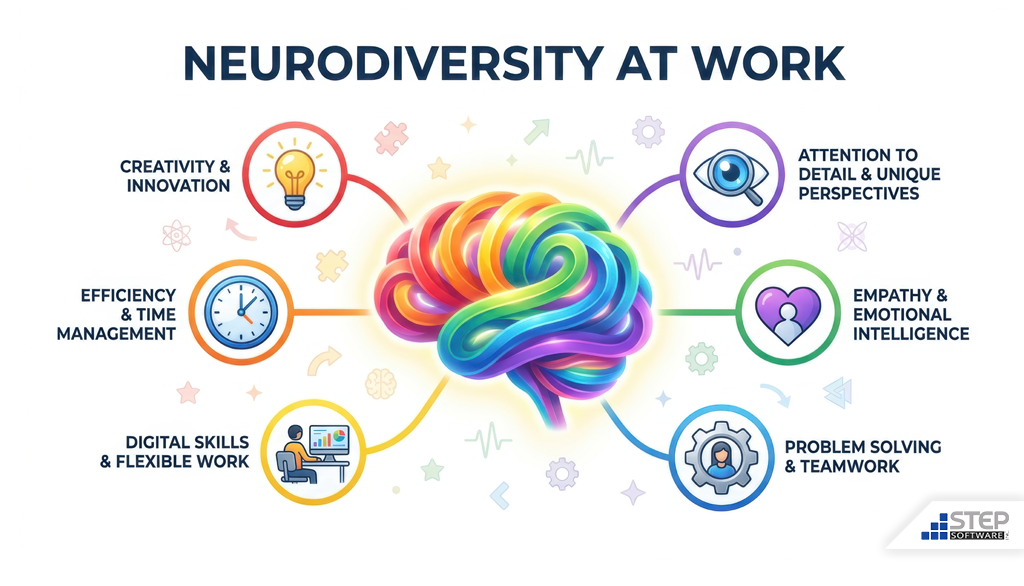
Why? Because neurodivergent professionals often demonstrate strengths in:
- Pattern recognition
- Attention to detail
- Deep focus on specialized topics
- Creative problem solving
- Systems thinking
- Visual thinking
- Process optimization
Its important to note, these strengths vary by individual. Neurodivergent people are not a monolithic group, and assumptions should never replace conversations about individual skills and preferences.
Common Misconceptions Continue to Create Barriers
One of the biggest challenges facing neurodivergent professionals is not capability, its perception.
Many organizations still rely on hiring and management practices that unintentionally reward social conformity over job performance. For example, traditional interviews often place significant emphasis on eye contact, conversational style, networking ability, and rapid responses. These factors may have little correlation to success in highly technical roles.
Discussions on Reddit frequently highlight concerns from neurodivergent workers who report being judged on communication styles rather than technical competence. Several software professionals describe losing opportunities due to perceived ‘culture fit’ concerns despite strong technical qualifications.
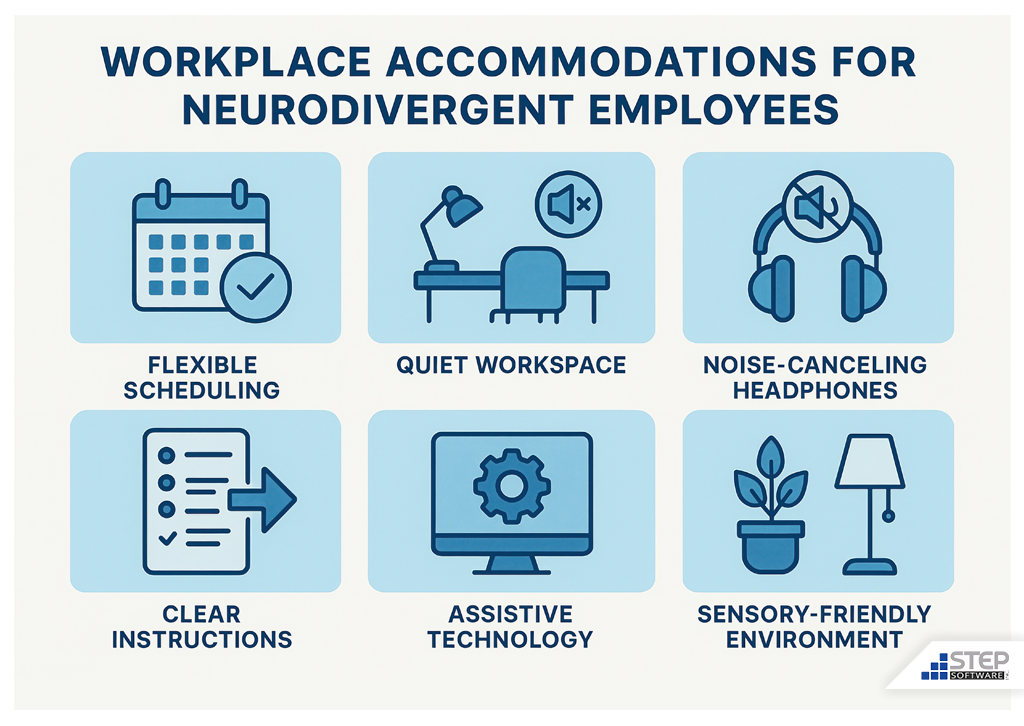
The misconception that neurodivergent employees require excessive accommodation is also often overstated. In fact, research supports findings that 49.4% of accommodations incur no cost at all, with the median cost being $300/employee or less than the cost of a static IP address for a fiscal quarter.
Research suggests that many accommodations designed to support neurodivergent employees can also improve workplace effectiveness for everyone. Clear communication, better documentation, flexible work arrangements, and thoughtful onboarding benefit all employees.
The Reality of Workplace Discrimination
Despite growing awareness, many neurodivergent employees continue to face discrimination and stigma. In fact, 65% of neurodivergent employees fear discrimination from management and as such often neglect to request accommodations.
Some workers report concerns about disclosing diagnoses due to fears of career limitations, bias, or exclusion, while others describe feeling pressured to ‘mask’ their natural behaviors to fit workplace expectations.
Masking has direct implications on employee wellbeing, and can lead to burnout. As we discussed in our Mental Health in IT blog, burn out is becoming a real problem in IT. Constantly hiding aspects of oneself can contribute this and disengagement.
Discrimination in any form is a ticking timebomb for workplaces and should be considered as serious a risk as cybersecurity threats.
Legal Responsibilities and Workplace Protections
Creating an inclusive workplace is not simply about compliance. It is about ensuring talented employees can perform at their best without unnecessary barriers.
In Canada, employees are protected under the Canadian Human Rights Act, which prohibits discrimination based on disability and requires employers to provide reasonable accommodations up to the point of undue hardship. The Government of Canada’s guidance on workplace accommodation emphasizes removing barriers and creating equitable access to employment opportunities.
Similar protections exist in many jurisdictions worldwide, including the United States through the Americans with Disabilities Act and throughout much of Europe under national disability and employment legislation.
The Diverse Human Advantage
In our recent blog Humans in an AI Time, we discussed how organizations increasingly need qualities that technology cannot easily replicate: creativity, judgment, empathy, and diverse perspectives, business acumen.
The most successful technology teams of the future are unlikely to be those where everyone thinks the same way. They will be teams that embrace different perspectives, different problem-solving approaches, and different ways of experiencing the world.
For business leaders, the opportunity is clear.
Building neuroinclusive workplaces is not simply about doing the right thing. It is about unlocking talent, improving innovation, strengthening teams, and ensuring that the people behind technology can contribute their best work.
In an industry built on solving difficult problems, diverse ways of thinking may be one of the most valuable competitive advantages available.
Drop us a line if you, or your team is stuck on a difficult problem, we’d be thrilled to offer our diverse perspective.


