

Over the past several months, we’ve explored some of the biggest challenges facing technology leaders today. We’ve discussed technical debt, AI technical debt, digital sovereignty, workplace mental health, and the importance of maintaining a human-centered approach to technology.
These topics may seem unrelated.
The reality is, they all connect to a growing problem that many organizations are struggling to manage:
Credential Sprawl
It’s one of the most overlooked risks in modern IT environments, yet it has direct implications for cybersecurity, operational efficiency, compliance, employee well-being, and long-term technology costs.
For business leaders responsible for technology budgets and risk management, credential sprawl deserves far more attention than it currently receives.
What Is Credential Sprawl?
Credential sprawl occurs when organizations accumulate an excessive number of user accounts, passwords, API keys, service accounts, privileged access credentials, authentication tokens, and identity systems across their technology ecosystem.
As businesses adopt new software platforms, cloud services, collaboration tools, SaaS applications, and custom solutions, the number of credentials grows exponentially.
A typical employee may now have access to:
- Email platforms
- CRM systems
- ERP software
- HR applications
- Cloud services
- Development environments
- Customer portals
- Third-party vendor systems
- VPNs and remote access tools
Multiply that across hundreds or thousands of employees, contractors, vendors, and service accounts, and organizations quickly lose visibility into who has access to what.
The result is credential sprawl.
Why Credential Sprawl is Becoming a Bigger Problem
Enterprises today can manage hundreds, thousands, and even millions of machine and human identities.
According to the 2024 Verizon Data Breach Investigations Report, compromised credentials continue to be one of the most common paths used by attackers to gain unauthorized access to systems.
Meanwhile, IBM’s Cost of a Data Breach Report 2025 found the average global cost of a data breach reached USD $4.4 million, only 9% lower than the year before which was the highest level reported to date.
While not every breach begins with stolen credentials, credential-related attacks remain among the most successful because they exploit complexity rather than technology weaknesses.
The more identities an organization manages, the more difficult governance becomes.
How Credential Sprawl Connects to Technical Debt
In our blog Buried in Technical Debt, we discussed how organizations often postpone modernization efforts because immediate business priorities seem more pressing.
Credential management frequently follows the same pattern.
New applications get created, temporary accounts are created, contractors receive access, projects launch, and deadlines are met; then everyone moves on.
Years later, organizations discover:
- Former employees still have active accounts
- Legacy applications contain shared passwords
- Service accounts have excessive privileges
- No one knows who owns critical credentials
This creates a form of security-related technical debt.
Every unmanaged credential becomes another liability that future teams must address.
How Credential Sprawl Relates to AI Technical Debt
We all know that organizations are rapidly deploying AI-powered tools, automation platforms, and integrations, often at an unmanageable velocity.
Each new platform often introduces:
- New user accounts
- API keys
- Service identities
- Data access permissions
- Vendor access requirements
Without proper governance, AI initiatives can significantly accelerate credential sprawl.
Much like AI technical debt, the issue is not the technology itself.
The issue is implementing technology faster than governance processes can evolve.
The result is increased complexity, increased risk, and increased cost.
Digital Sovereignty Starts with Identity Control
In our Digital Sovereignty blog, we discussed the importance of understanding who controls your data and digital infrastructure.
Credential sprawl directly affects that conversation.
You cannot effectively govern data if you cannot govern access.
Organizations often focus on where data is stored while overlooking who has permission to view, modify, export, or share that data.
A strong digital sovereignty strategy requires:
- Identity governance
- Access reviews
- Privileged access management
- Credential lifecycle management
Without these controls, sovereignty becomes difficult to achieve regardless of where systems reside.
The Human Cost of Credential Sprawl
Credential sprawl is not just a technology problem.
It becomes a people problem.
In our Mental Health in IT blog, we explored how technology professionals are facing growing workloads, increasing complexity, and heightened expectations. Credential management contributes directly to this burden.
IT teams already have full plates with:
- Password resets
- Access requests
- User provisioning
- Access audits
- Compliance reporting
- Security investigations
As environments become more complex, these administrative tasks consume valuable time and contribute to burnout.
According to research from Gartner, identity and access management continues to rank among the most resource-intensive areas of enterprise security operations. The hidden cost is not only security risk, its employee fatigue.
Why Humans Still Matter
One of the key themes from Humans in an AI Time was that technology succeeds because of people, not despite them. Credential sprawl reinforces this lesson.
No security platform, automation tool, or identity management solution can compensate for poor governance.
Organizations continue to require:
- Strong leadership
- Clear policies
- Accountability
- Business process alignment
- User education
Technology can help manage identities, but only people can determine whether identity management is effective.
The Cost of Ignoring Credential Sprawl
For business leaders, the total budget impact is often underestimated.
Credential sprawl can contribute to:
- Increased cybersecurity exposure
- Compliance violations
- Audit findings
- Licensing inefficiencies
- Higher support costs
- Productivity losses
- Incident response expenses
Many organizations continue paying for unused software licenses because dormant accounts remain active. Others spend significant resources conducting manual access reviews or investigating unauthorized access events. Like technical debt, the cost accumulates quietly until it becomes impossible to ignore.
How to Address Credential Sprawl Without Creating More Technical Debt
The solution is not to purchase another security tool and hope for the best; instead, organizations should begin with visibility.
Effective strategies include:
- Conduct a Credential Audit
Identify:
- Active accounts
- Dormant accounts
- Privileged accounts
- Service accounts
- Third-party access
- Establish Ownership

- Every critical credential should have a clearly identified owner responsible for its lifecycle
- Consolidate Identity Systems
- Reducing duplicate authentication systems simplifies governance and improves visibility
- Implement Least-Privilege Access
- Users should have access only to the resources necessary to perform their roles
- Review Access Regularly
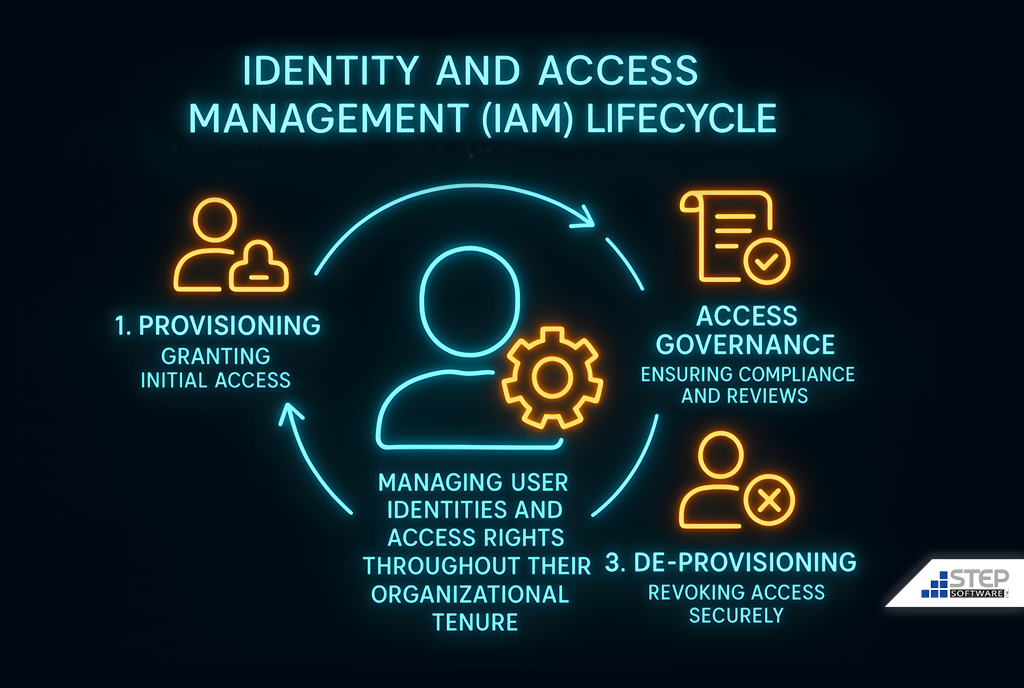
- Identity governance should be an ongoing business process, not an annual exercise
- Modernize Strategically
- Credential management should be incorporated into modernization projects rather than treated as a separate initiative
Following these logical and often overlooked steps can help reduce risk without creating additional layers of technical debt.
Final Thoughts
Credential sprawl sits at the intersection of many of today’s most pressing technology challenges.
- It affects cybersecurity
- It influences digital sovereignty
- It contributes to technical debt
- It increases operational complexity
- It places additional strain on already-busy technology teams
Most importantly, it creates risks that fester quietly over time.
Organizations that proactively address credential sprawl today will improve security, reduce operational burden, strengthen governance, and avoid unnecessary costs tomorrow.
Like technical debt, credential sprawl rarely becomes cheaper to fix with age. And like many technology risks, the best time to address it is before it becomes a target on next year’s budget.
Let us know if we can help with this or other precarious software challenges you may be facing as you dive into budgeting for next year.


