

If cloud computing was the first wave of digital transformation, edge computing is what’s happening next, quietly reshaping how businesses process data, make decisions, and deliver real-time experiences.
For business leaders managing technology budgets, edge computing isn’t just a trend. It’s a strategic shift in how infrastructure is designed to support speed, efficiency, and scalability.
Over the last two weeks we have touched on how edge computing correlates with Well-Architected Framework and Embedded Systems; this week we dive into the details of it.
What is Edge Computing?
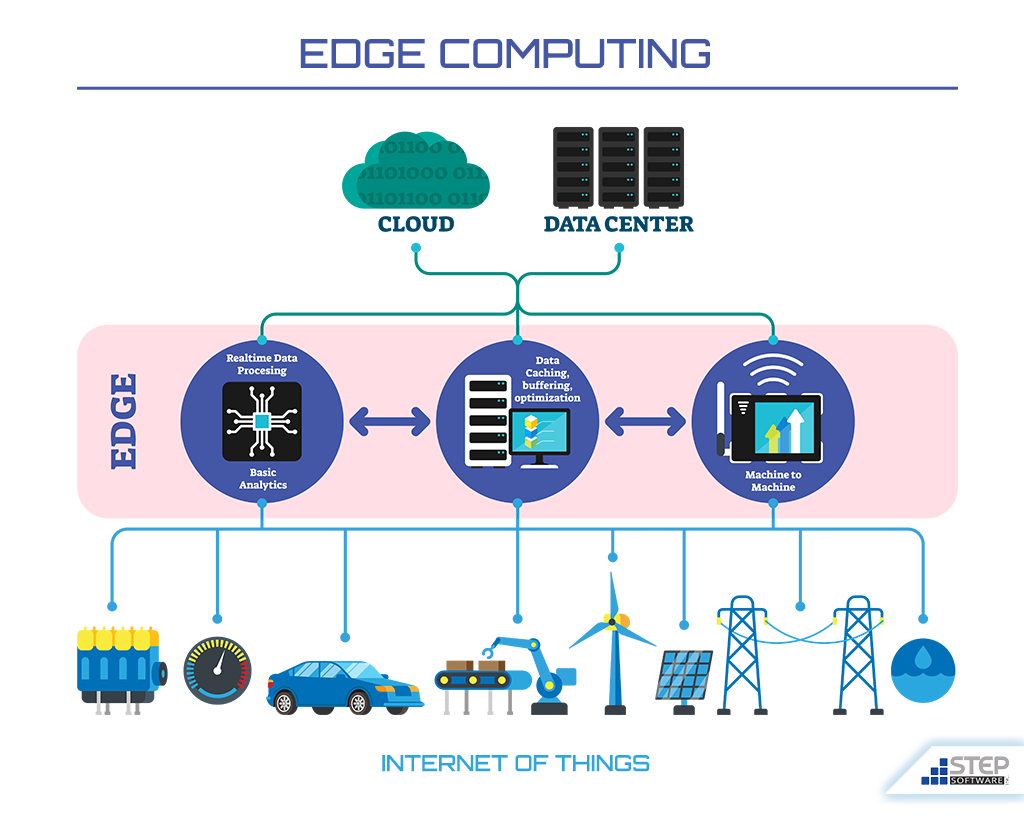
At its core, edge computing is a distributed computing model that processes data closer to where it’s generated; whether that’s a factory sensor, a retail POS system, or a connected vehicle. Instead of sending all data to a centralized cloud or data center, processing happens at or near the ‘edge’ of the network.
Data By the Numbers:
- According to the latest estimates, 402.74 million terabytes of data are created each day, globally.
- It is estimated that 90% of the world’s data has been generated in the last two years
- 2010 the global data amount was 2 zettabytes
- 2026 is projected to be 221 zettabytes
Why does this matter?
Because modern businesses generate massive volumes of data, and sending it all to the cloud creates latency, bandwidth constraints, and cost inefficiencies. Edge computing solves this by analyzing data locally and only sending what’s necessary upstream.
Why Edge Computing Matters for Businesses
For organizations under pressure to move faster, operate leaner, and deliver better customer experiences, edge computing offers a compelling value proposition.
Real-Time Decision Making
Speed is everything. By reducing latency, edge computing enables near-instant decision-making. This is critical in industries like manufacturing, logistics, and finance, where milliseconds can impact safety, efficiency, or revenue.
Cost Optimization
Processing data locally reduces the amount of data sent to the cloud, lowering bandwidth and infrastructure costs. For organizations managing large-scale IoT deployments, this can translate into significant savings.
Improved Performance and Reliability
Edge computing allows systems to function even when connectivity is limited or inconsistent. This is especially valuable for remote operations or mission-critical environments where downtime isn’t an option.
Enhanced Security and Compliance
Keeping sensitive data closer to its source can reduce exposure and help organizations meet regional compliance requirements.
Enabling AI and Advanced Analytics
Edge computing is increasingly paired with AI (also knows as Edge AI). Edge AI allows businesses to process and act on data in real time without relying on centralized systems.
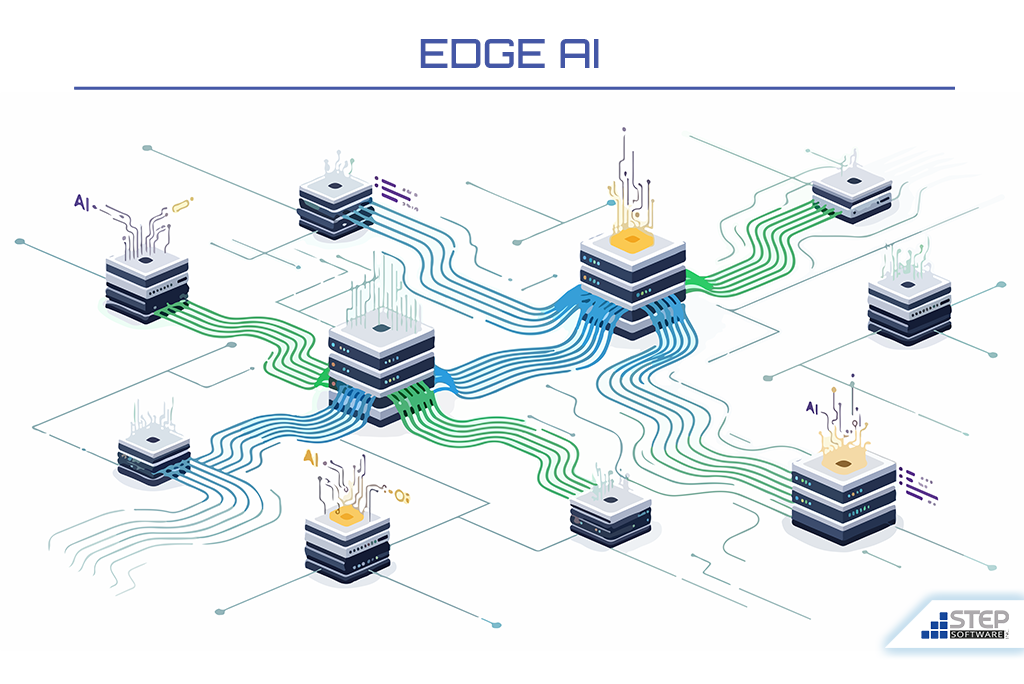
For businesses in the zettabyte era, edge computing helps them become faster, smarter, and more efficient; without overloading centralized infrastructure.
The Risks and Trade-Offs
Of course, edge computing isn’t a silver bullet. It introduces new complexities that business and technology leaders need to account for.
Increased Complexity
Managing thousands of distributed edge devices is significantly more complex than maintaining centralized systems.
Deployment, monitoring, and updates all become more challenging at scale.
Security Challenges
While edge can enhance data privacy, it also expands the attack surface. More devices mean more potential entry points for cyber threats.
Limited Processing Power
Edge devices often have less compute and storage capacity than centralized data centers, which can limit the types of workloads they can handle.
Integration Complexity
Integrating edge environments with existing cloud and on-prem systems requires careful architectural planning and often new tooling.
The takeaway? Edge computing shifts complexity, it doesn’t eliminate it.
Edge Computing and Legacy Systems
Here’s where things get interesting for many organizations: edge computing doesn’t replace legacy systems; it exposes their limitations.
Legacy infrastructure was (typically) designed for centralized processing. Edge computing, by contrast, relies on distributed, real-time architectures. This mismatch creates friction.
Shared challenges include:
- Data silos that prevent real-time data sharing
- Rigid architectures that don’t support distributed processing
- Limited interoperability with modern edge platforms
For many businesses, edge computing becomes a catalyst for modernization. It forces a rethink of how systems are structured and integrated.
The Role of Custom Software
This is where custom software development becomes critical.
Off-the-shelf solutions often struggle to adapt to the unique demands of edge environments, especially when integrating with legacy systems.
Custom software allows organizations to:
- Build lightweight applications optimized for edge devices
- Enable seamless integration between edge, cloud, and on-prem systems
- Implement tailored security and data governance frameworks
- Scale edge deployments in a controlled, strategic way
In other words, custom software acts as the bridge between where your business is today and where edge computing can take it.
Implementation Challenges for Businesses
Adopting edge computing isn’t just a technical shift, it’s an organizational one.
Business leaders need to be mindful of potential challenges:
Infrastructure Investment
Deploying edge infrastructure requires upfront investment in hardware, networking, and management platforms. Q2 is a great time to review your 2026 budget and pivot if your priorities have changed.
Skills Gap
Edge computing blends cloud, networking, and IoT expertise, skills that are often siloed or missing within organizations. Seeking support from experienced third-party vendors is an excellent way to manage this gap.
Governance and Data Management
With data distributed across multiple locations, maintaining consistency, compliance, and visibility becomes more complex.
Strategic Alignment
Not every workload belongs at the edge. Identifying the right use cases is critical to avoiding unnecessary complexity and cost. If you are unsure where to start, our Advisory team here at STEP offers complimentary 30-minute calls to help get you started.
Final Thoughts: Edge as a Strategic Advantage
Edge computing isn’t about replacing the cloud, it’s about extending it.
The most successful organizations will adopt a hybrid approach, combining cloud, edge, and on-prem systems into a cohesive architecture that supports both real-time performance and long-term scalability.
For business leaders, the opportunity is clear:
- Faster insights
- Lower operational costs
- Better customer experiences
But the path forward requires thoughtful planning, modernization of legacy systems, and often, investment in custom software to tie it all together.
Edge computing is about one thing – getting closer to the action. In today’s business environment, that proximity can make all the difference. Drop us a line if you are sitting on the edge.


