

From smart factories to connected medical devices, embedded devices and microcontrollers are quietly powering the modern economy. They don’t get the same attention as cloud platforms or AI models, but without them, most digital innovation simply wouldn’t function.
For business leaders managing technology investments, understanding the unique nuances of these systems is becoming increasingly important.
What Are Embedded Devices & Microcontrollers?
An embedded system is a specialized computing system designed to perform a specific function within a larger device. It includes both hardware (embedded device) and software (embedded software), often operating with strict performance and reliability requirements.
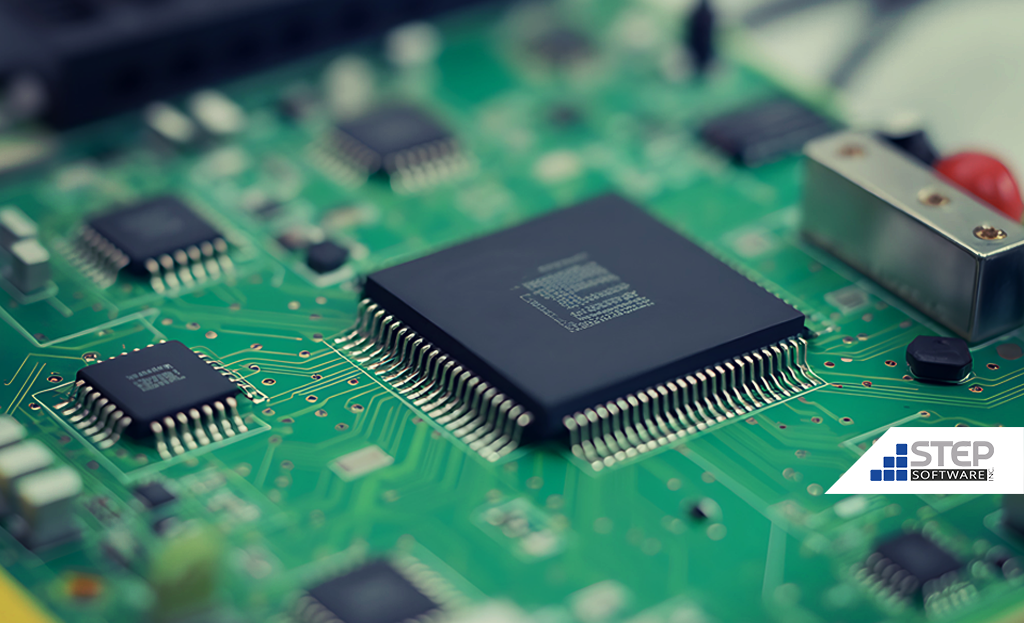
At the heart of most embedded systems is a microcontroller unit (MCU) — a compact ‘computer on a chip’ that integrates a central processing unit (CPU), memory, and input/output (I/O) interfaces into a single unit.
A straightforward way to think about it:
- The microcontroller is the brain
- The embedded system is the full body, including sensors, interfaces, and software
Designed for efficiency, these systems are low power consumption, real-time processing, and cost optimization focused. However, they also come with constraints such as limited memory and processing power, and complex system support which directly influences how software must be designed.
Where They Show Up: Key Industries
Embedded devices are everywhere, often in places business leaders don’t immediately associate with ‘software.’
Manufacturing and Industrial Automation
Programmable logic controllers (PLCs), robotics, and sensor systems rely heavily on embedded systems to enable precision and real-time control.
Automotive and Transportation
Modern vehicles contain dozens of embedded systems controlling everything from engine performance to advanced driver assistance systems.
Healthcare and Medical Devices
Sophisticated devices like pacemakers, cochlear implants, intelligent prosthetic devices, imaging systems, and wearable health monitors depend on reliable embedded software for accurate clinical care.
Consumer Electronics and IoT
From smart thermostats to wearable devices, smart bulbs to washing machines, self self-serve kiosks to robotic toys microcontrollers are present in most modern electronic devices, underscoring their critical role in product innovation and competitive differentiation and user engagement.
How AI Is Changing Embedded Systems
The intersection of AI and embedded systems, often referred to as ‘edge AI’, is reshaping what these devices can do.
Traditionally, embedded systems have five common characteristics: dedicated functionality, real-time operation, specific resource constraints, tightly coupled hardware/software and high stability/reliability.
Today, with the inclusion of AI, they are capable of:
- Real-time data analysis
- Predictive maintenance
- Autonomous decision-making
This shift allows businesses to move intelligence closer to where systems generate data reduces latency and enables faster insights.
However, integrating AI into embedded environments introduces new challenges. These systems must balance limited hardware resources with the computational demands of AI models; a non-trivial engineering problem that requires specialized expertise.
The Case for Third-Party Development
Given the complexity of embedded systems, many organizations turn to third-party vendors for development. On paper, this makes sense, but in practice, it’s not always straightforward.
The Benefits
Access to Specialized Expertise
Embedded development requires deep knowledge of hardware, firmware, real-time systems, industry-specific compliance standards, and now, AI. These skills are difficult to build internally and rare to find in combination externally, but possible. Our experts at STEP have been honing their embedded devices skills for over 2 decades.
Faster Time-to-Market
Experienced vendors can accelerate development cycles, especially when dealing with complex integrations or legacy systems.
Cost Efficiency at Scale
Outsourcing can reduce upfront hiring and infrastructure costs, particularly for projects with fluctuating demand. Staff Augmentation delivery models mean you get the brains without the ramp time associated with recruiting, onboarding, and training.
The Risks
Scarcity of True Expertise
Embedded systems development is inherently complex due to hardware constraints, real-time requirements, and integration challenges.
Finding vendors who can handleboth embedded systems and broader software ecosystems (cloud, AI, legacy integration) with skill while understanding the larger business implications is increasingly difficult.
Integration with Legacy Systems
Many organizations still rely on legacy infrastructure not designed for modern embedded or connected environments. Bridging this gap requires custom software and architectural expertise.
Security and Long Lifecycle Risks
Embedded devices often operate for years or decades, which can make them difficult to update and secure over time. Research shows embedded systems frequently lag in security protections, increasing long-term risk exposure.
Vendor Lock-In and Knowledge Gaps
Relying heavily on third parties can create dependencies, especially if internal teams lack visibility into the system architecture. To decrease the likelihood of this, ensure your SOW has documentation requirements built in.
Unicorn Hunting
Embedded systems sit at the intersection of hardware and software — two domains that don’t always align neatly.
Development challenges include:
- Tight hardware constraints (memory, processing power)
- Complex testing and debugging requirements
- Long product lifecycles with evolving requirements
- Integration across multiple systems and environments
These factors make it difficult to find partners who can deliver not just working code, but scalable, maintainable solutions. Reach out to our Advisory Team for a complimentary 30-minute call if you are having trouble finding an embedded unicorn.
Final Thoughts: A Strategic Capability, Not Just a Technical One
Embedded devices and microcontrollers are no longer just engineering concerns, they are strategic business assets. Real-time operations, product innovation and competitive differentiation are factors driving this paradigm shift.
But they’re not without risk. AI complexity, legacy system integration, lagging security protection all require careful consideration and evaluation.
For business leaders, the key is balance:
- Leverage external expertise where it adds value
- Maintain internal ownership of architecture and strategy
- Ensure alignment between embedded systems, legacy infrastructure, and broader digital initiatives
Because in a world where intelligence is moving closer to the edge, the companies that get embedded systems right won’t just build better products, they’ll build smarter businesses.
Drop us a line if you’d like to chat more about embedded systems.


